



About Us
The argument in favor of using filler text goes something like this: If you use real content in the Consulting Process, anytime you reach a review point you’ll end up reviewing and negotiating the content itself and not the design.
Gallery
Social Account

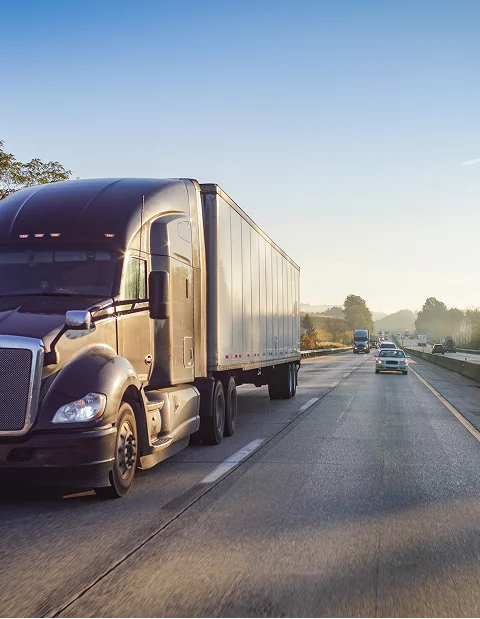
Reefer Freight in 2026: Why Cold Chain Capacity Is Tighter Than Ever
If you ship temperature-sensitive goods — food, pharmaceuticals, beverages, or chemicals — the refrigerated freight market in 2026 is presenting challenges that require advance planning and reliable carrier partnerships.
What Is Driving Reefer Capacity Tighter?
Three structural forces are squeezing refrigerated trucking capacity across North America. First, the CDL driver shortage has reduced the number of qualified reefer operators entering the market. Second, hundreds of smaller reefer carriers exited during the 2023-2025 freight downturn and have not returned. Third, diesel at record highs is hitting reefer operators particularly hard due to the additional fuel draw of refrigeration units.
Produce Season Makes It Worse
Every summer, peak produce harvest across Ontario, British Columbia, California, and the southern US states creates a surge in refrigerated freight demand. Reefer spot rates can spike 20-40% above baseline during peak weeks, and shippers without contracted capacity find themselves competing for trucks at premium prices.
How to Protect Your Cold Chain
The most effective strategy in the current market is to build a direct relationship with a carrier that runs dedicated reefer capacity year-round. A carrier that treats refrigerated freight as a core service — not a seasonal add-on — will have the equipment, the drivers, and the protocols to protect your cargo regardless of market conditions.
Transway’s Reefer Capability
Transway Transport operates a dedicated refrigerated fleet year-round, with Samsara GPS real-time temperature monitoring, 24/7 dispatch, and Haz-Reefer certification for temperature-sensitive dangerous goods. Our cold chain clients did not feel the 2026 rate spikes — because they were already contracted.
Secure your cold chain capacity now. Call Transway Transport at +1 905-458-7200.